


All Products
-
Biological Insecticides
-
Biological Pesticide
-
Natural Vegetable Insecticides
-
Maize Crop Pesticides
-
Fruit Tree Pesticides
-
Rice Crop Pesticides
-
Cotton Crop Pesticides
-
Tea Tree Insecticide
-
Biological Fungicide
-
Biological Fertilizer
-
Cockroach Bait Gel
-
Home Pest Killer
-
Mosquito Larvae Killer
-
Z-9-Tricosene
-
Fly Killing Bait
-
Ant Killing Bait
-
Organic Tea
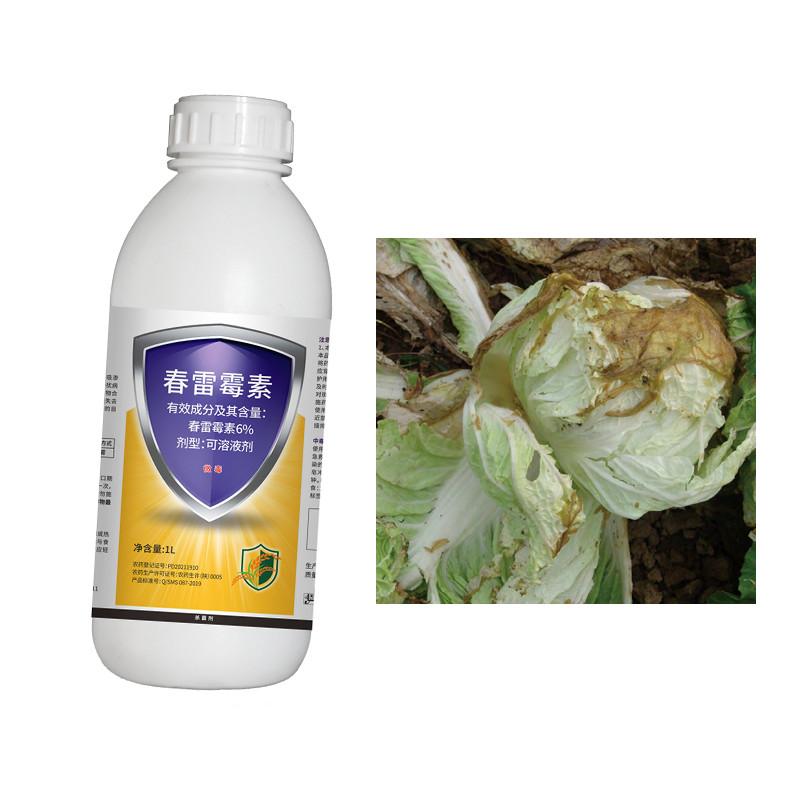
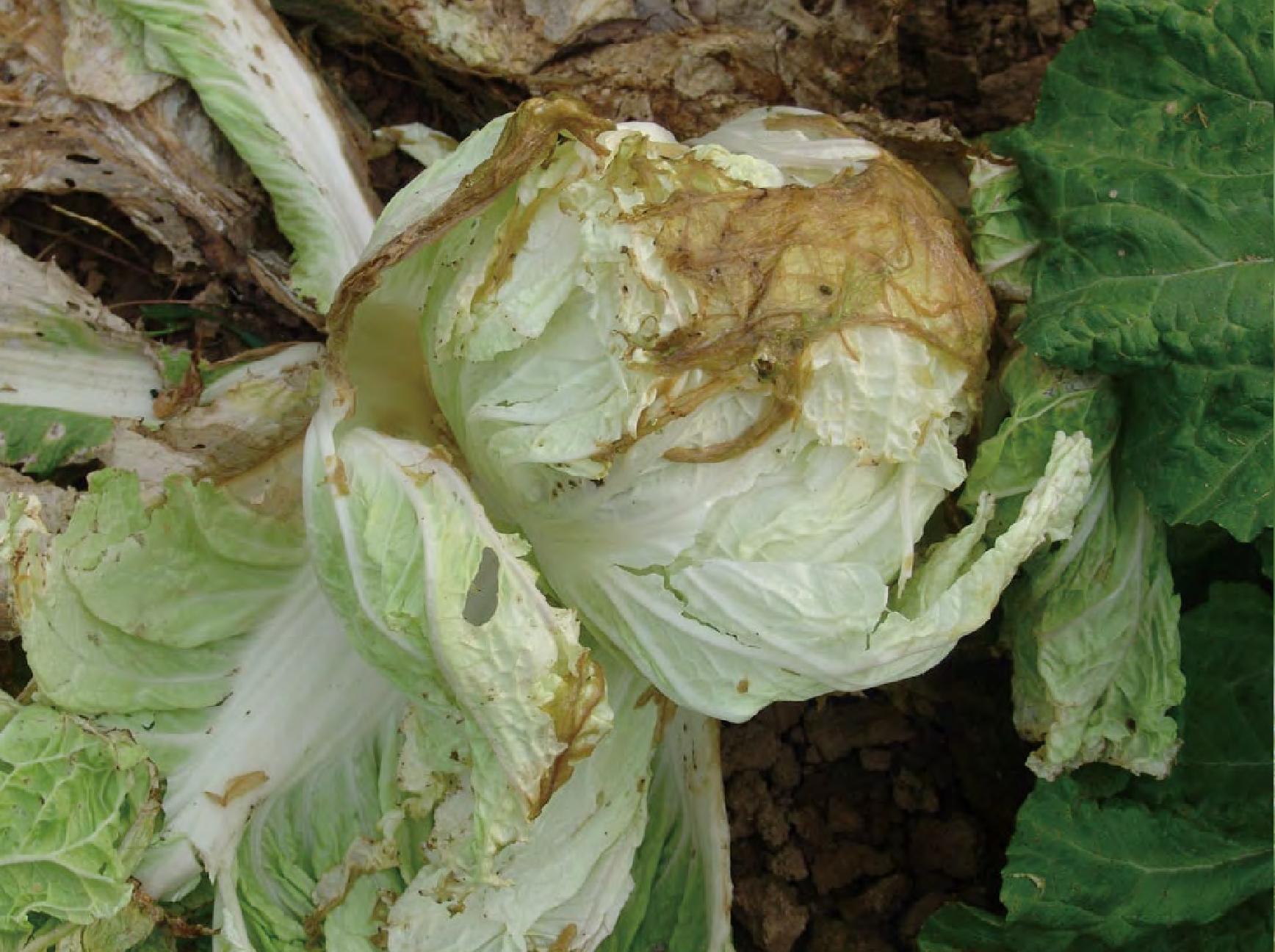
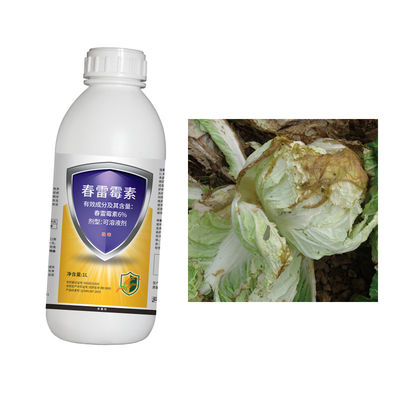
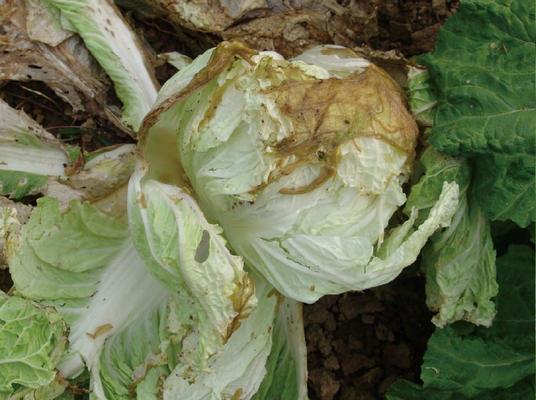
Biological bactericide 6% Kasugamycin wide application Chinese cabbage soft rot
| Place of Origin | CHINA |
|---|---|
| Brand Name | UNIOASIS |
| Certification | PD20211910 |
| Model Number | N/A |
| Minimum Order Quantity | 1000KG |
| Delivery Time | 5-8 WORKING DAYS |
| Payment Terms | L/C,T/T |
Product Details
| Highlight | 6% Kasugamycin biological bactericide,Kasugamycin for Chinese cabbage soft rot,wide application biological fungicide |
||
|---|---|---|---|
Product Description
Product Overview
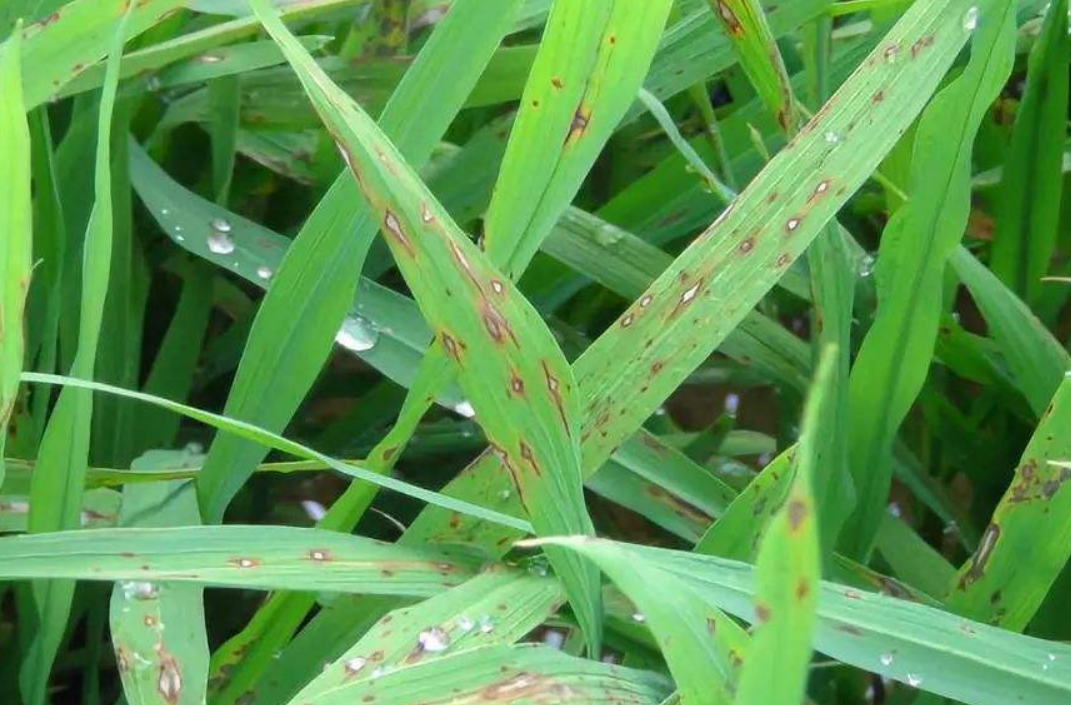
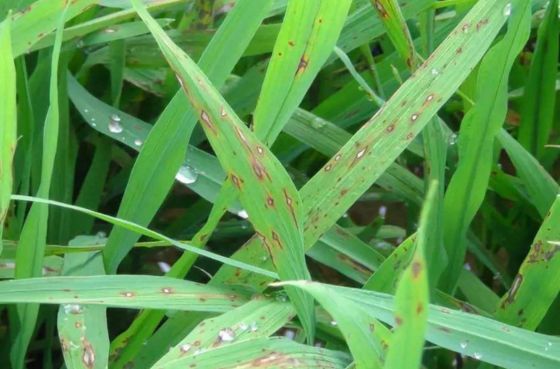
Kasugamycin is a broad-spectrum antibiotic biological bactericide formulated as a 6% soluble concentrate. It is widely applied for the control of bacterial diseases across Chinese cabbage, rice, citrus, fruits, and vegetables, including soft rot of Chinese cabbage, rice blast, citrus bacterial canker, melon bacterial angular leaf spot, and potato black leg.
Product Name
Kasugamycin
Registration No.
PD20211910
Production License
Pesticide Production License (Shaanxi) 0005
Formulation
Soluble Concentrate
Active Ingredients
6% Kasugamycin
Product Standard
Q/SMS087-2019
Specification
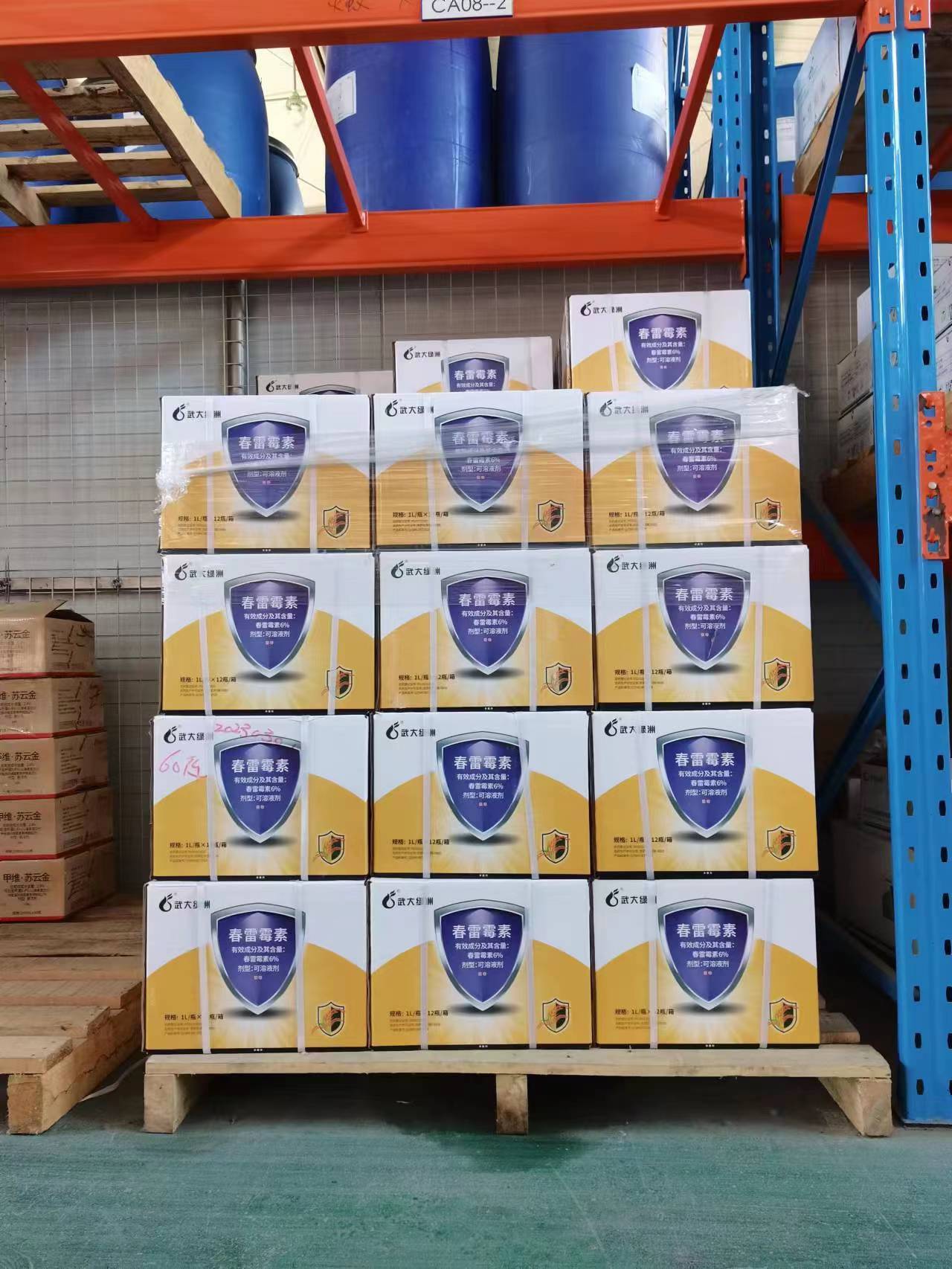
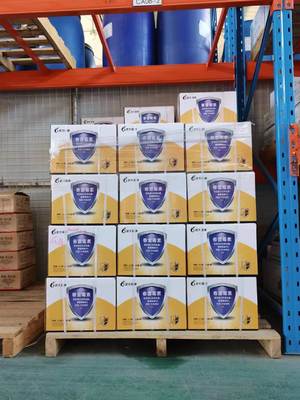
1000 ml × 12 Bottles
Target Diseases
- Melon bacterial angular leaf spot
- Citrus bacterial canker
- Rice blast
- Soft rot of Chinese cabbage
- Potato black leg
Application Guide
| Crop / Place | Control Object | Dosage | Application |
|---|---|---|---|
| Rice | Rice blast | 30–50 ml/mu | Spray |
Mechanism of Action
Kasugamycin disrupts amino acid metabolism in pathogenic bacteria, inhibits protein biosynthesis, suppresses hyphal growth, and causes cell granulation, ultimately eliminating the bacteria's ability to reproduce and infect.
Product Advantages
- Antibiotic bacterial fungicide with wound repair functionality
- Internal absorption conductivity with excellent control of rice blast disease
- Broad-spectrum fungicide with strong permeability and versatile application methods
Applicable Crops
Technical Requirements
- Apply at early disease stage for rice leaf blast, at breaking stage for neck blast, and re-spray at full ear stage
- Applications every 7–10 days with even coverage
- Avoid application on windy days or when rain is expected within 1 hour
- Safe interval on rice is 21 days, with a maximum of 3 applications per season
Important Precautions
Do not mix with alkaline pesticides or other substances. Soybeans are sensitive — avoid drift contamination on soybeans, fir trees (especially seedlings), and lotus roots.
- Wear full protective equipment during application: long clothes, pants, boots, hats, goggles, masks, and gloves
- No eating, drinking, or smoking during application
- Wash hands, face, and clothes promptly after application
- Toxic to zebrafish and cyanobacteria — do not clean equipment in rivers, ponds, or water bodies
- Rotate with fungicides having different mechanisms to delay resistance
- Prohibited near aquaculture areas, rivers, ponds, and paddy fields with fish, shrimp, or crabs
- Do not discharge field water directly into water bodies after application
- Pregnant and lactating women must not contact this product
Recommended Products
